
Into the “Gears of Fate”: Why Dice Are Every Adventurer’s Lifeline
If your understanding of Dungeons & Dragons (DnD) goes beyond “dragons and dungeons,” you’ve probably heard this saying among players — “The moment the dice hit the table, fate is revealed.”
In the world of DnD, nothing determines your destiny more than dice. Every sword swing, every stealth attempt, every desperate roll to escape death — all hinge on the numbers that appear when the dice stop rolling.
For any adventurer, a set of reliable, well-balanced dice matters more than shiny gear or legendary weapons. Because no matter how powerful your character is, fate can turn on a single bad roll.
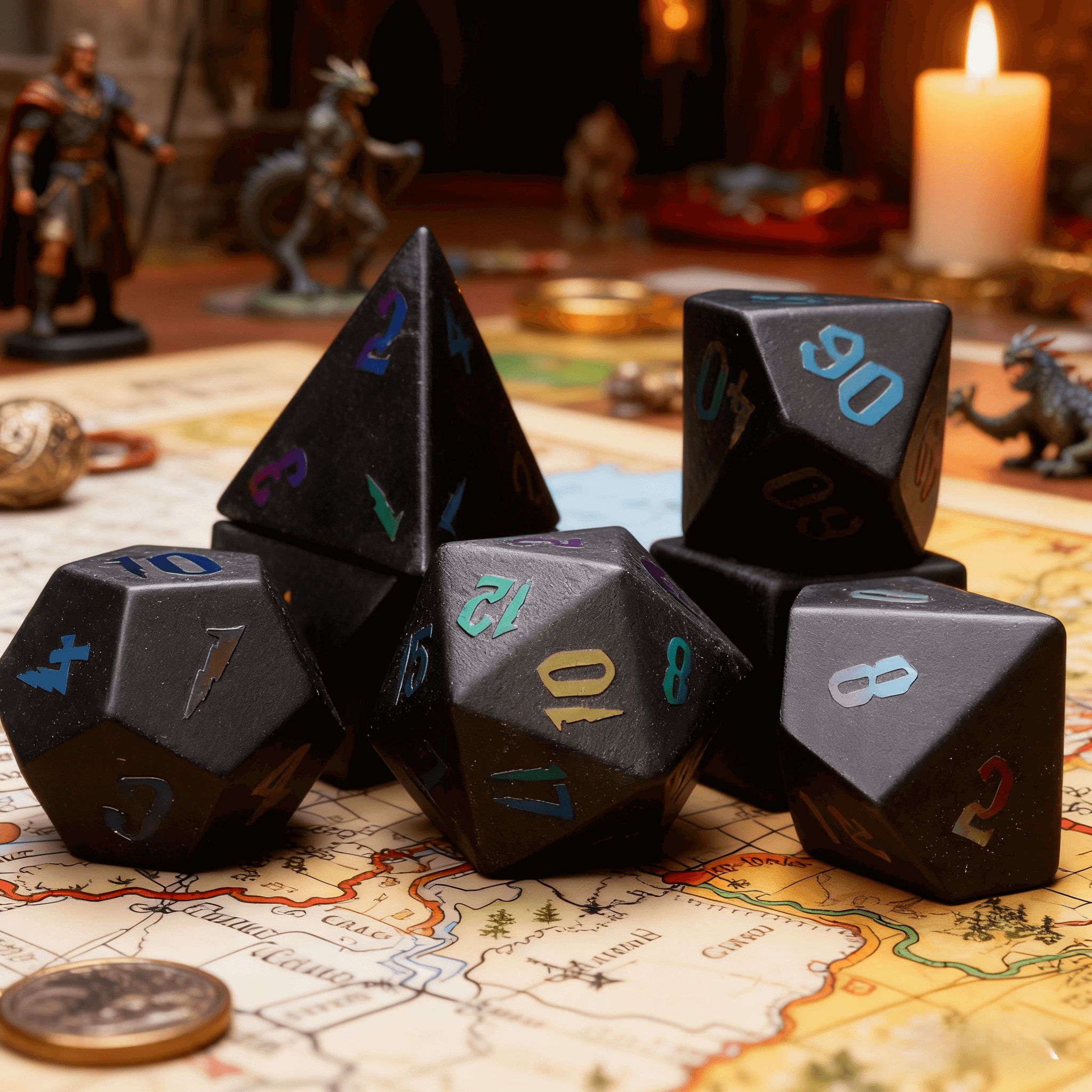
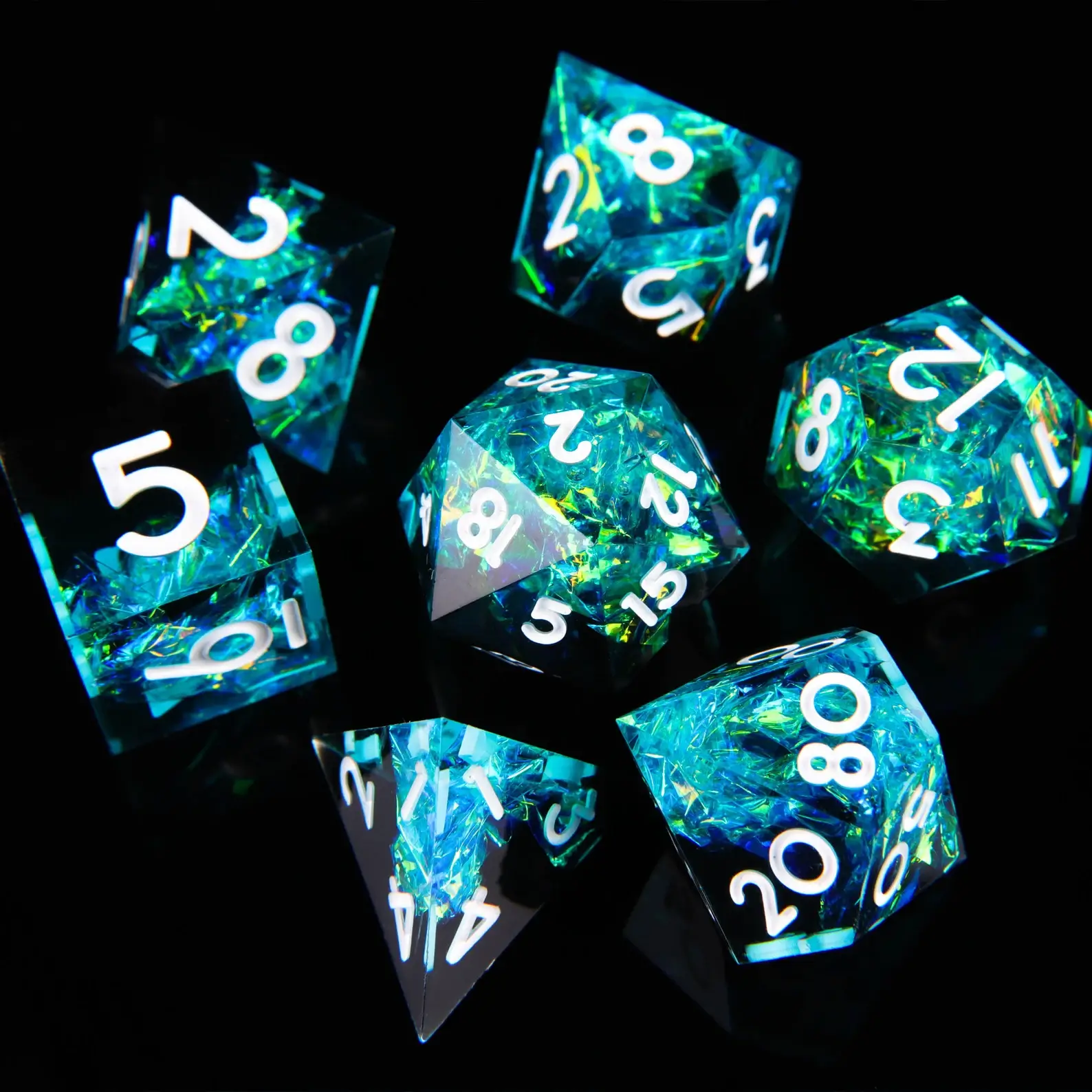
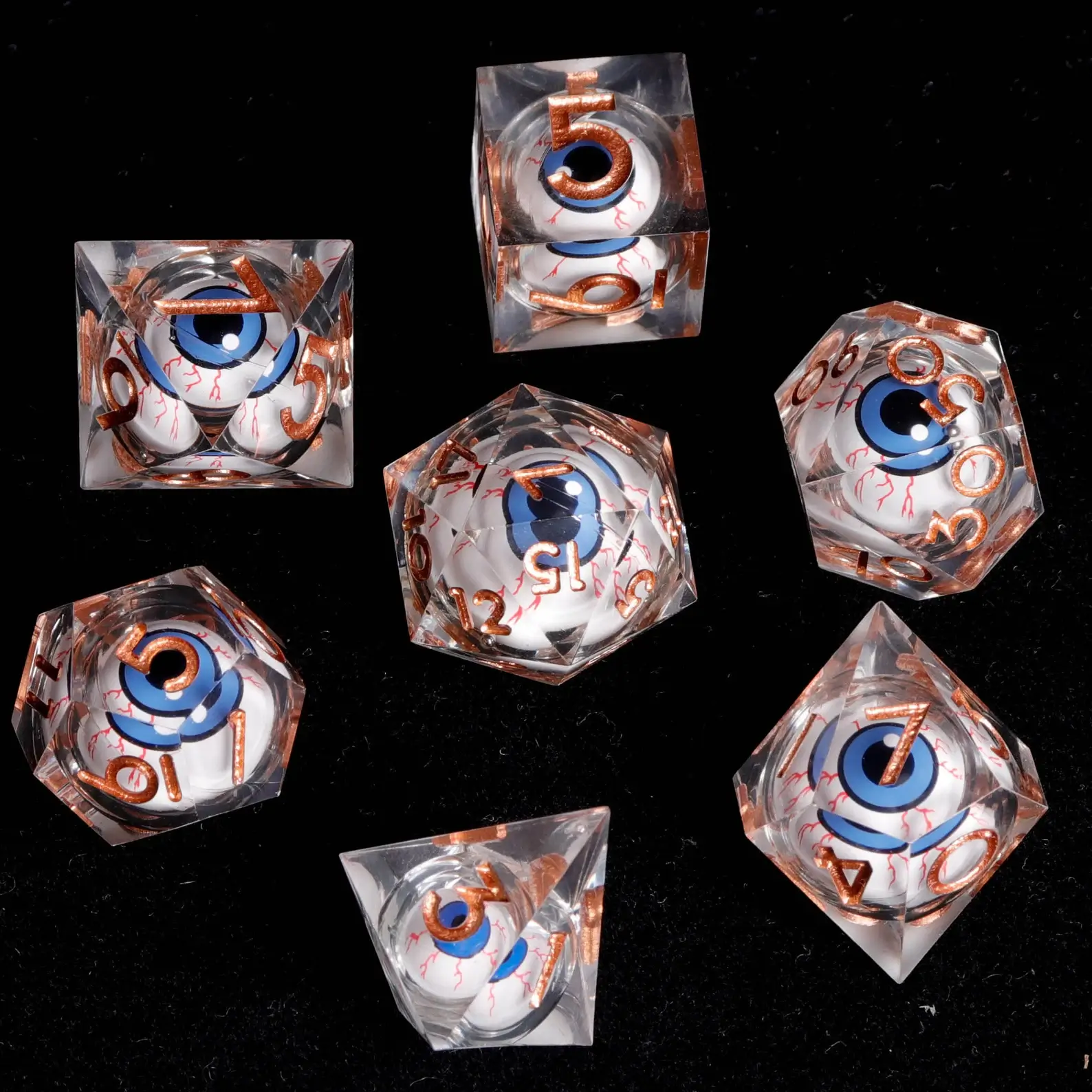
These tiny polyhedral tools are the true heart of the game — the gears that keep every story moving. And they come in seven unique shapes, usually found together in what’s known as a DnD Dice Set.
In this guide, we’ll start from the basics and explore these “small cubes of destiny” that bring every DnD adventure to life.
Let’s break down every die in a DnD dice set — what it does, when to use it, and why each roll matters.
Table of Contents
- Introduction: Revisiting How Many Dice in a DND Dice Set
- Which D&D Dice Are the Most Important?
- Understanding the Role of Each Dice in Your DND Adventure
- D20 in Action: Stories from the Tabletop
- Other Dice: D4, D6, D8, D10, D12, and D%
- How Dice Shape Your Gameplay and Character Choices
- Conclusion: Next Steps in Choosing Your DND Dice Set
1. Introduction: Revisiting How Many Dice in a DND Dice Set
In our previous article, How Many Dice in a DND Dice Set? | 2025 Beginner’s Guide to DND Dice, we explored the basics: what a DND dice set includes and the purpose of each die. It was a quick introduction to the essentials for beginners, covering the seven dice every player needs: D4, D6, D8, D10, D12, D20, and the percentile die.
This time, we’re going deeper—not just listing them, but understanding how each die really comes to life on the table, how it interacts with your character, and why the D20 deserves special attention among all DND dice. We’ll also share stories and experiences from actual gameplay, making this guide more engaging and practical for beginners and seasoned players alike.
2. Which D&D Dice Are the Most Important?
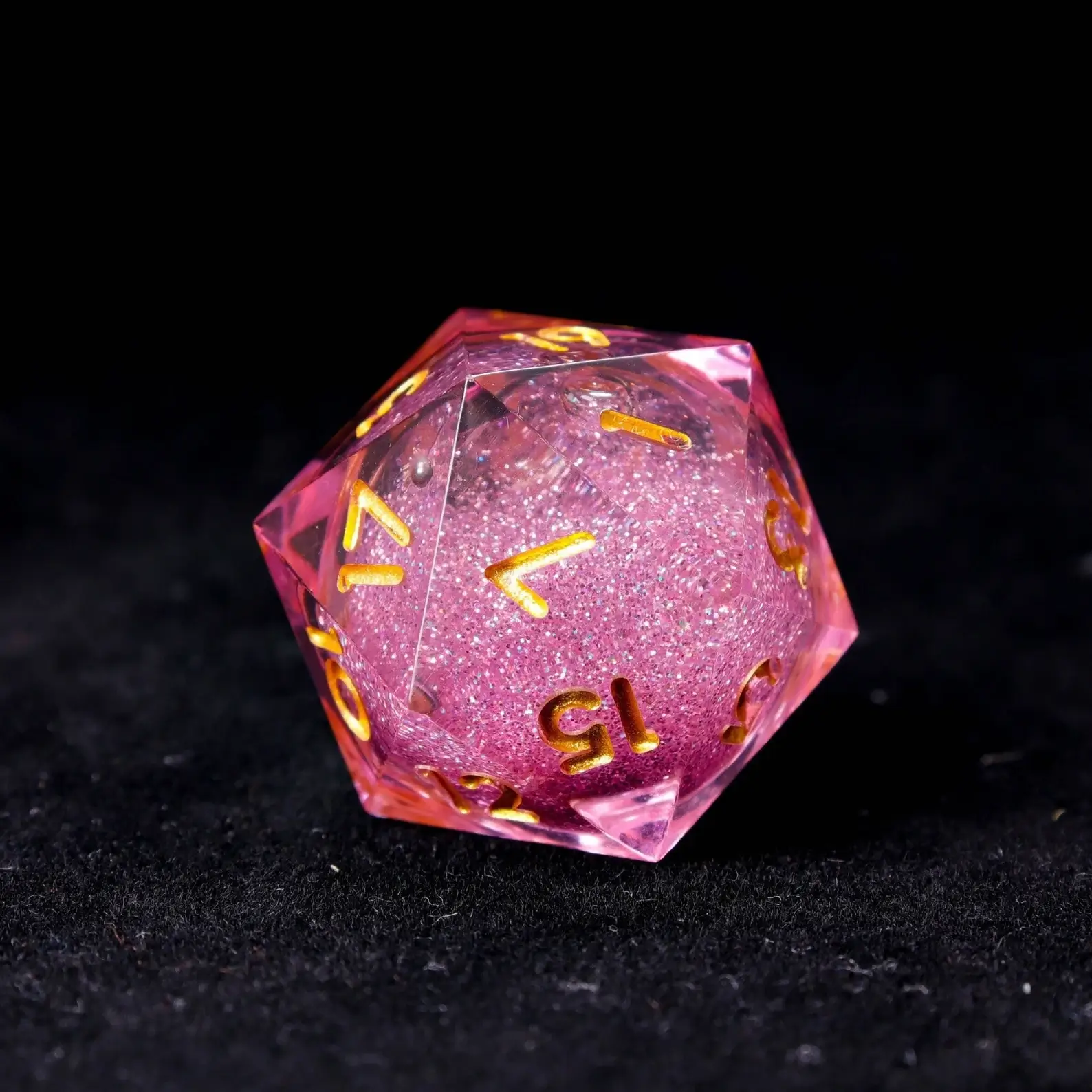
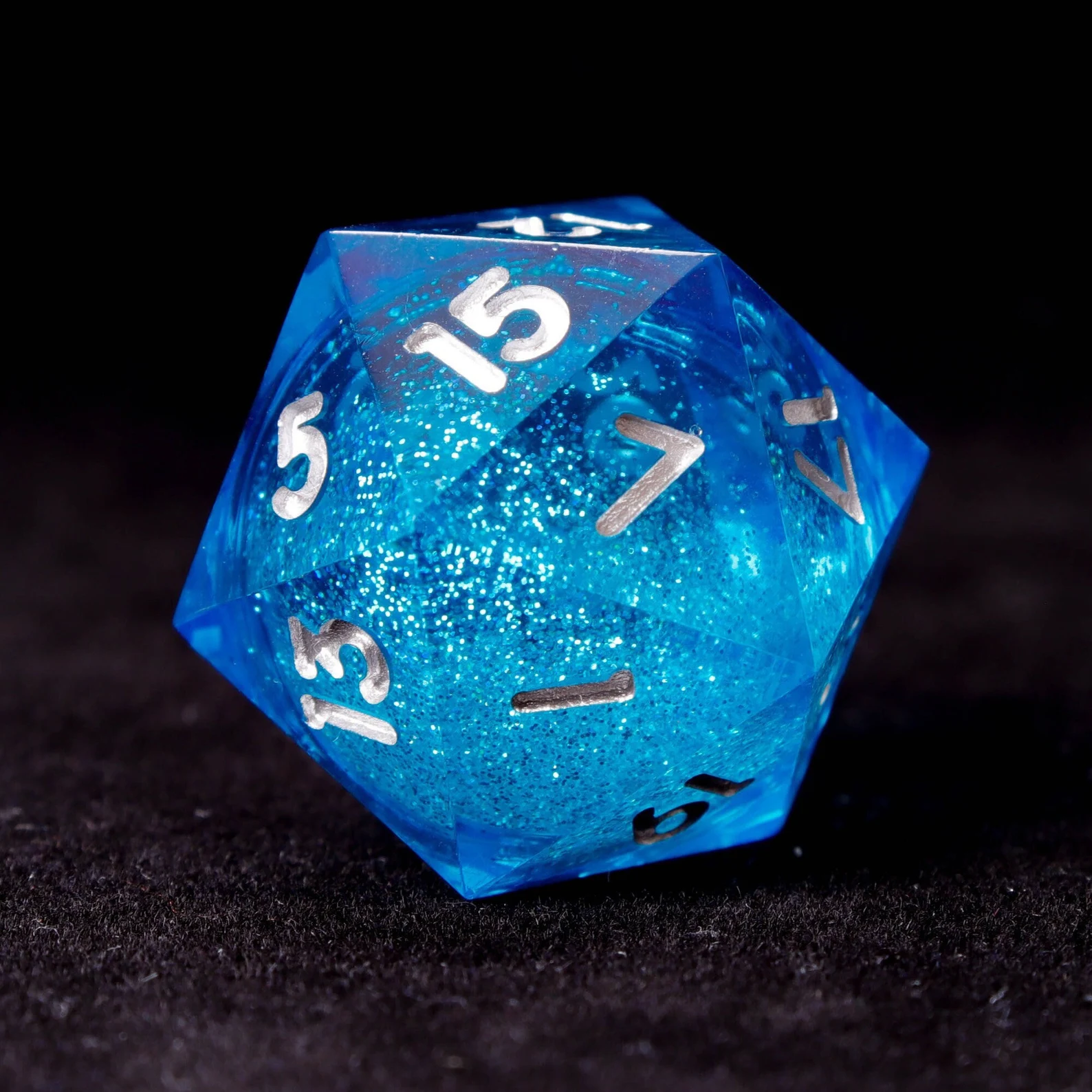
Ask any D&D player, “Which die really matters?” and nine times out of ten, they’ll point straight at the D20. It’s not just a die — it’s the game’s heartbeat, the little plastic engine that drives every make-or-break moment.
Think about it. Every time you swing a sword, cast a spell, or try to bluff a suspicious guard, it’s the D20 that decides your fate. In fact, D&D Beyond’s 2023 gameplay stats show that in a typical 3-hour session, players roll the D20 40–60 times. The next busiest die, the humble D6, only gets about half that. The D20 doesn’t just roll — it works overtime.
If you’ve ever played, you know the thrill: the dice clatter across the table, hearts stop for a second… and boom — a natural 20! Instant legend. The hit lands, the crowd cheers, maybe the king even hands over his crown. But a natural 1? Total disaster. Doors break, plans collapse, and someone inevitably earns a ridiculous nickname they’ll never live down.
For beginners, getting a good-quality D20 isn’t about cheating probability — you can’t. It’s about the feel. A balanced, smooth-rolling die that doesn’t wobble weirdly and has numbers you can read at a glance just makes every throw more satisfying. That tiny click when it lands? It’s like flipping a switch that says: “Fate, show me what you’ve got.”
And if you finish this whole guide and still can’t decide what a complete dice set really is, maybe the best answers come from the community itself — check out this discussion on Reddit: 👉 What do you consider a complete set of dice? (r/DnD)
3. Understanding the Role of Each Dice in Your DND Adventure
- D4: Small damage rolls or minor spells.
- D6: Versatile, used for attacks, healing, and multiple rolls.
- D8: Medium damage, sneak attacks, some spells.
- D10: High-damage weapons, percentile rolls.
- D12: Heavy damage, impactful hits.
- Percentile/D%: Random events, loot, suspense moments.
Quick Reference: DND Dice & Their Uses
| Die | Faces | Primary Use |
|---|---|---|
| D20 | 20-sided | Most used die. Determines success/failure. Natural 20 = critical hit, 1 = critical miss. |
| D12 | 12-sided | Heavy weapons, some class Hit Dice. |
| D10 | 10-sided | Specific damage, percentile rolls. |
| D% (Percentile) | 10-sided | Used with D10 to generate 1–100 for random tables. |
| D8 | 8-sided | Medium weapon damage, spells, some Hit Dice. |
| D6 | 6-sided | Common for spells, attacks, ability rolls. |
| D4 | 4-sided | Small damage, Magic Missile, some healing. |
4. D20 in Action: Stories from the Tabletop
Let me share a personal experience: during my first DND campaign, I was playing a fighter. Our group came across a locked door that required a Strength check to open. I grabbed my D20, took a deep breath, and tossed it — a natural 20! The table erupted in cheers, and the door swung open with ease. That moment wasn’t just about a physical door unlocking; it felt like a real breakthrough in the story. The rush of success was overwhelming. Everyone’s excitement fed into the energy of the game, and it made me realize just how much DND is about creating shared moments with your friends. From that point on, I was hooked — knowing that every roll could open up new possibilities or change the course of the adventure.
5. Other Dice: D4, D6, D8, D10, D12, and Percentile Dice
- D4: Small spells, low damage, suspenseful rolls.
- D6: Backbone, common damage, visual drama when rolling multiple.
- D8: Medium damage, sneak attacks.
- D10: Percentile rolls, high damage.
- D12: Rare, high-impact hits.
- D%: Unpredictable, fun, random events.
6. How Dice Shape Your Gameplay and Character Choices
In DND, your class affects how you use dice. For example, a rogue often relies on a D20 for stealth checks, while a wizard uses it for spells and saving throws.
The D20 teaches patience, probability, and strategy. When rolling for a big moment, like a fighter attacking, you consider your chances. A natural 20 could be a game-changer.
Dice also shape the story. A failed roll might turn a simple task into a setback, while a natural 20 can create epic moments, like a barbarian landing a powerful blow.
Lastly, dice influence social interactions. The group cheers after a successful roll, laughs at a critical failure, or debates strategy — all of which make the game more fun and memorable.
7. Conclusion: Next Steps in Choosing Your DND Dice Set
By now, you understand why the D20 is central and how each die contributes. Each roll has meaning, from D4 to D12.
Next, learn how to choose the right D20 or dice set: materials, designs, and personal style. Discover Our Dice Collection! https://www.giftyourways.com/collections/dnd-dice