

Table of Contents
-
Introduction: Revisiting How Many Dice in a DND Dice Set
-
Why D20 Is the Most Iconic Dice
-
Understanding the Role of Each Dice in Your DND Adventure
-
D20 in Action: Stories from the Tabletop
-
Other Dice: D4, D6, D8, D10, D12, and D%
-
How Dice Shape Your Gameplay and Character Choices
-
Conclusion: Next Steps in Choosing Your DND Dice Set
1. Introduction: Revisiting How Many Dice in a DND Dice Set
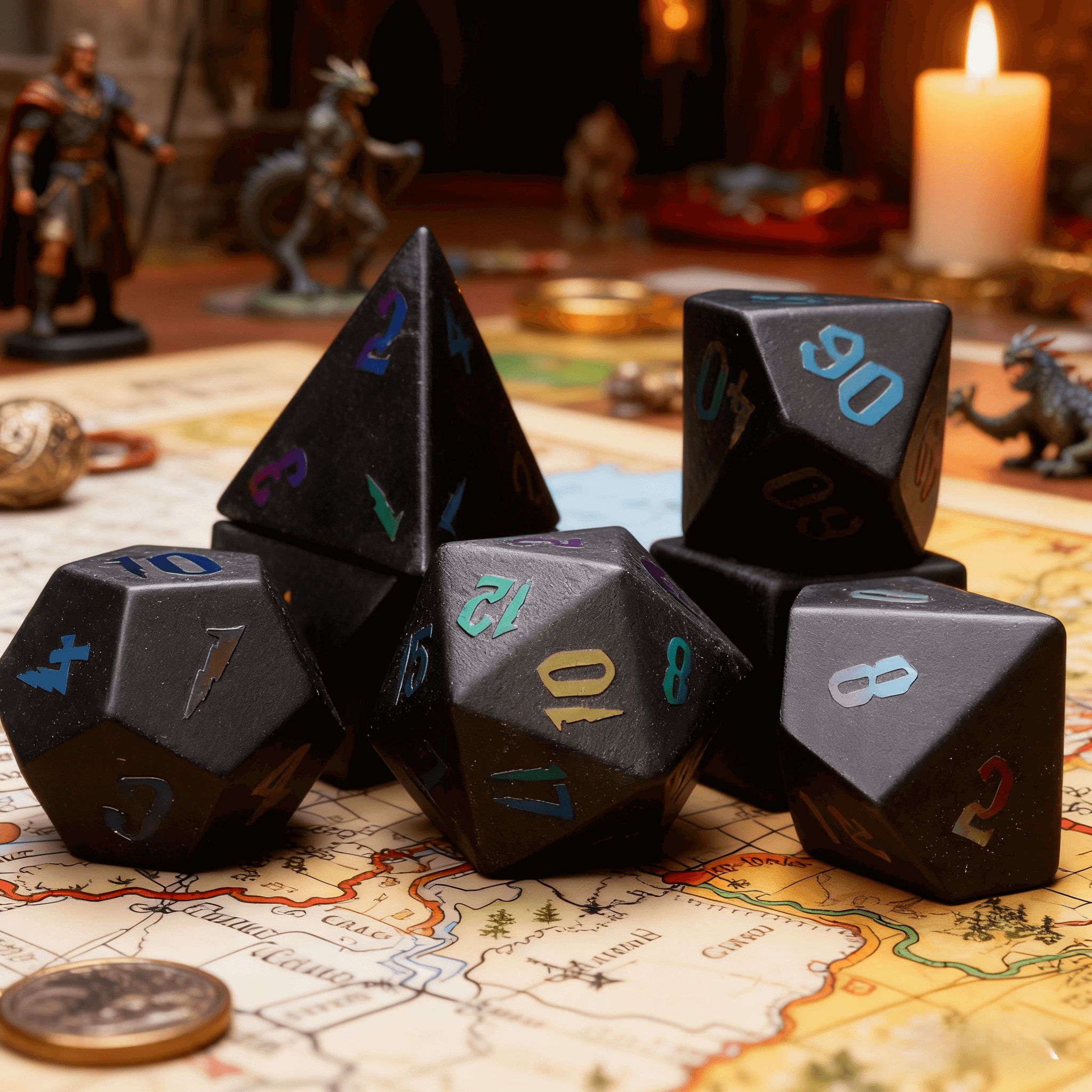
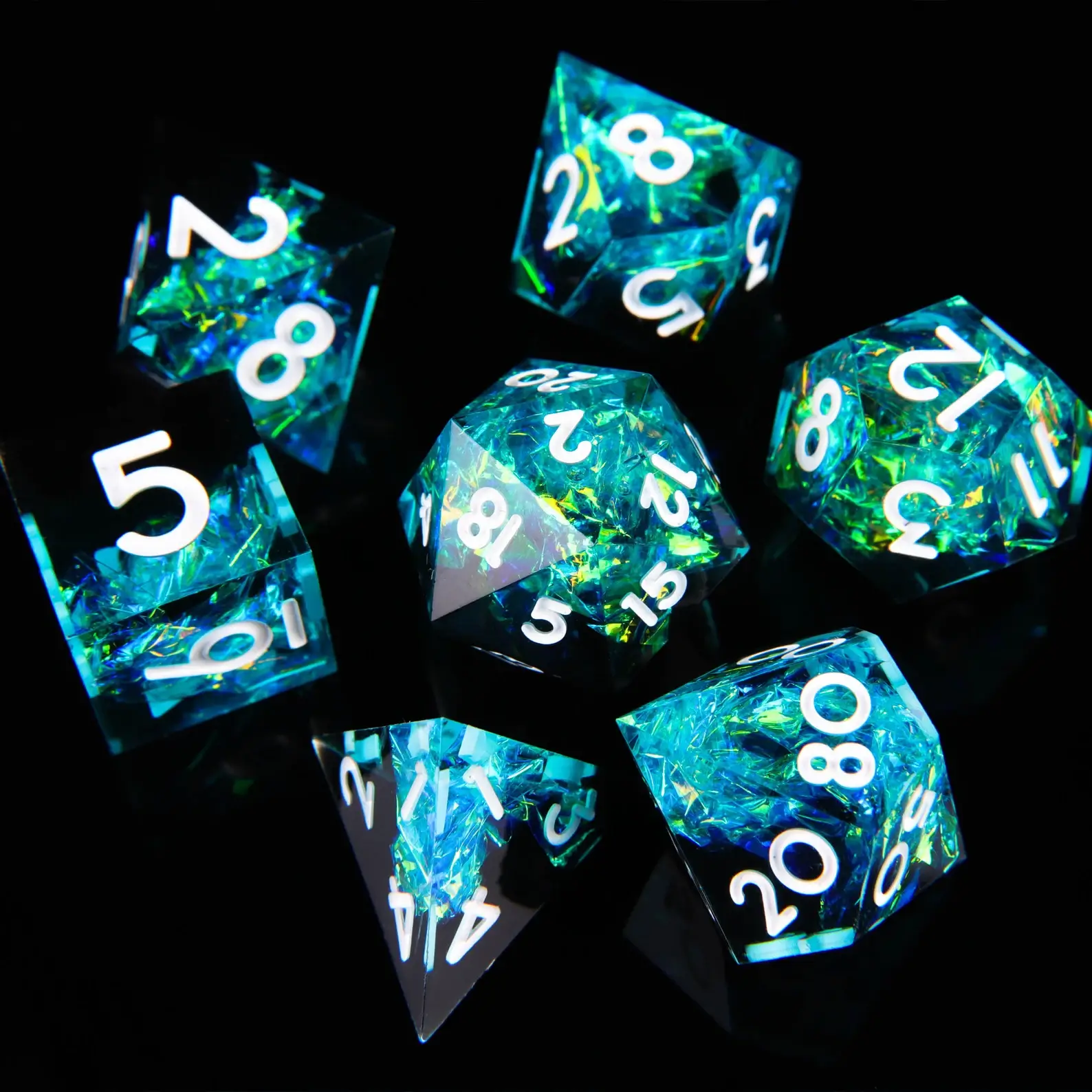
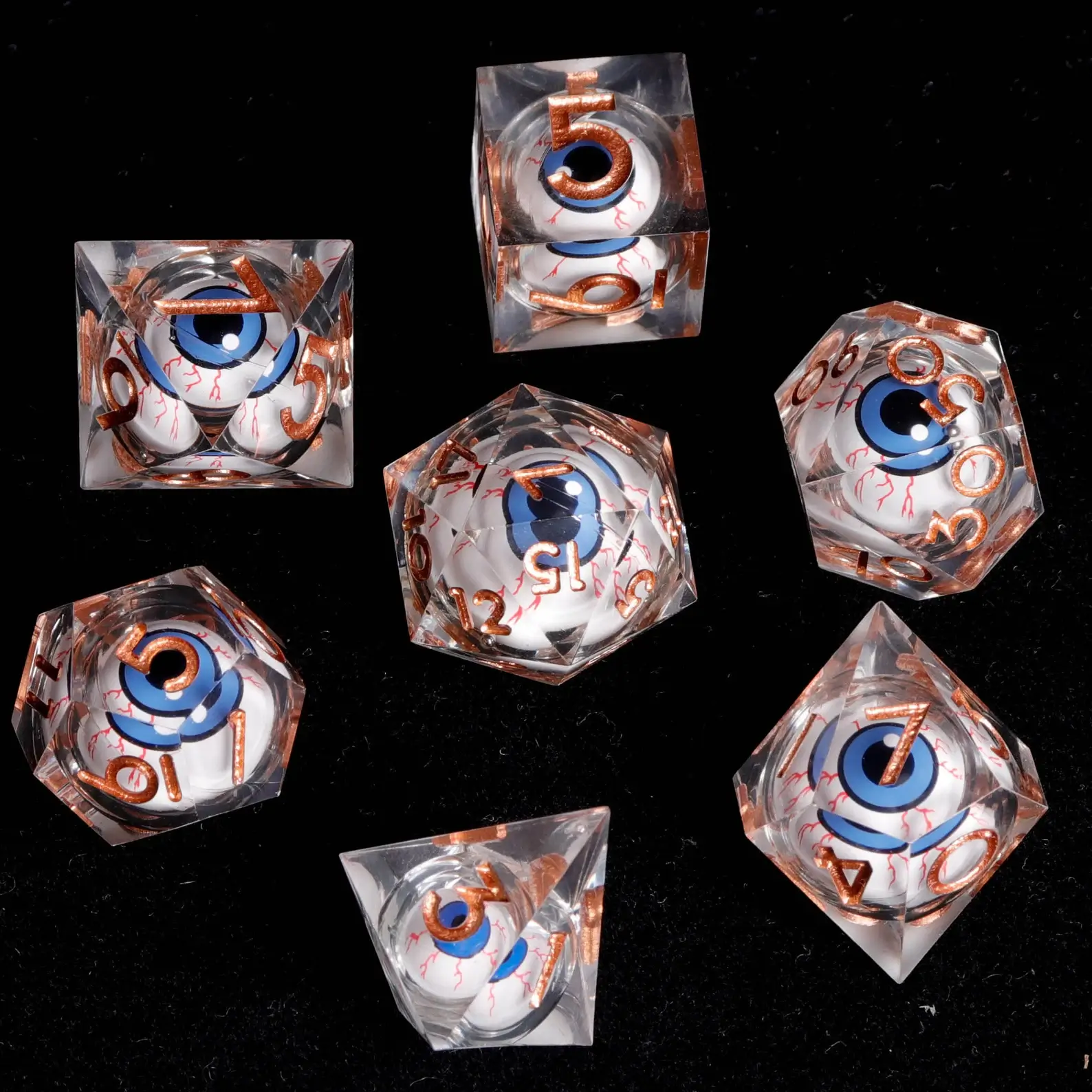
In our previous article, How Many Dice in a DND Dice Set? | 2025 Beginner’s Guide to DND Dice, we explored the basics: what a DND dice set includes and the purpose of each die. It was a quick introduction to the essentials for beginners, covering the seven dice every player needs: D4, D6, D8, D10, D12, D20, and the percentile die.
This time, we’re going deeper—not just listing them, but understanding how each die really comes to life on the table, how it interacts with your character, and why the D20 deserves special attention among all DND dice. We’ll also share stories and experiences from actual gameplay, making this guide more engaging and practical for beginners and seasoned players alike.
2. Why D20 Is the Most Iconic Dice
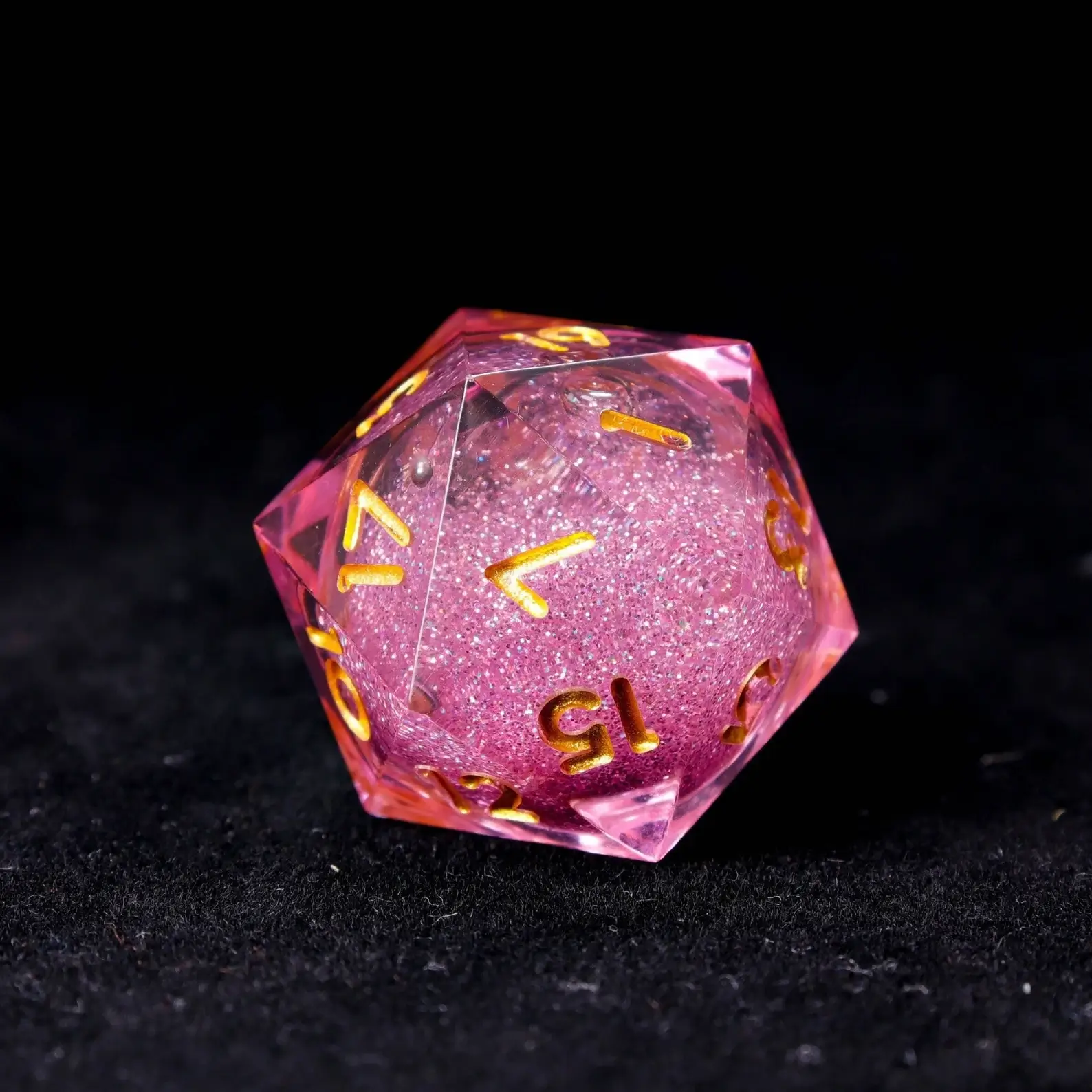
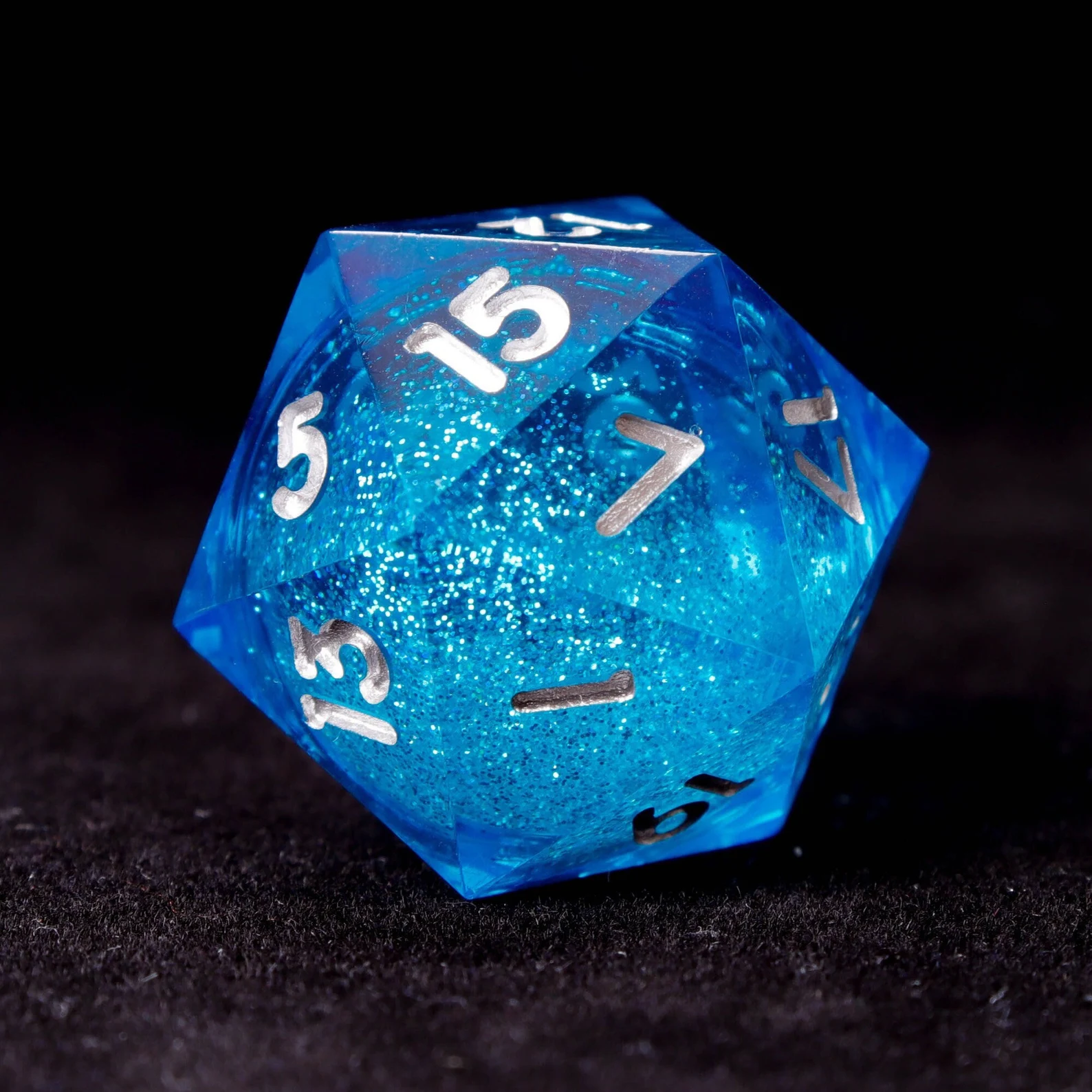
If you ask any DND player, the D20 is undoubtedly the star of the show. Why? Because it determines the outcome of nearly every critical action: attacks, skill checks, saving throws, and more. Your character’s success often hinges on the roll of a D20.
Think about your first DND session. You swing your sword, cast a spell, or attempt to persuade an NPC. That moment of suspense—the dice rolling across the table—is almost always a D20 roll. The higher the number, the more likely your action succeeds. A natural 20? A critical hit that everyone remembers. A natural 1? A failure that becomes a story for the group to laugh about later.
From a beginner’s perspective, choosing a high-quality D20 can improve your experience. Not because it changes probability—it doesn’t—but because a well-balanced, easy-to-read die makes every roll satisfying and immersive. As you roll more, you’ll start noticing patterns, calculating odds, and enjoying the tactile feedback of a smooth D20.
3. Understanding the Role of Each Dice in Your DND Adventure
While D20 is the MVP, every die in your set has its story and purpose:
- D4: Often overlooked, the D4 is perfect for small damage rolls or minor spell effects. When I first played a wizard, casting Magic Missile with a D4 taught me to appreciate the subtle thrill of multiple small numbers adding up.
- D6: The most common die in the world of board games, D6 also has its place in DND. From weapon damage to healing potions, the six-sided die is versatile. Rolling multiple D6s for your sorcerer’s fireball is a joy—and seeing all those numbers climb together is oddly satisfying.
- D8: Slightly larger in scale, the D8 is often used for medium weapons or spells. A rogue’s sneak attack with a D8 can make a tense combat round feel thrilling.
- D10: High-stakes rolls and percentages. D10 is essential for determining damage from powerful weapons or calculating outcomes in random loot tables.
- D12: Less common but incredibly impactful, the D12 shines in high-damage scenarios. Rolling a D12 as a barbarian makes you feel every swing of your greataxe.
- Percentile / D%: These dice handle the wild moments in DND—loot, events, random encounters. As a DM, watching a player roll a percentile die adds suspense like no other.
Quick Reference: DND Dice & Their Uses
| Die | Faces | Primary Use |
|---|---|---|
| D20 | 20-sided | The most used die in D&D. Determines success or failure for most actions, including attack rolls, ability checks, and saving throws. Natural 20 = critical hit, natural 1 = critical miss. |
| D12 | 12-sided | Used for heavy, two-handed weapons like greataxe and some class Hit Dice (Barbarian HP per level). |
| D10 | 10-sided | Used for specific weapon/spell damage and with percentile die for percentage rolls. |
| D% (Percentile) | 10-sided | Used with a D10 to generate numbers 1–100 for random tables or effects. One die tens (00–90), the other ones (0–9). |
| D8 | 8-sided | Medium weapon damage, spells, and some class Hit Dice (Cleric, Rogue). |
| D6 | 6-sided | Common for spells, sneak attacks, small weapon damage, and ability score rolls. |
| D4 | 4-sided | Small damage, Magic Missile spell, and some healing potions. |
4. D20 in Action: Stories from the Tabletop
Let me share a personal experience: I was playing a fighter in my first DND campaign. We encountered a locked door that required a Strength check. Everyone watched as I rolled my D20. The die tumbled, spinning across the table, landing on a natural 20. The group erupted in excitement—the door swung open with a dramatic creak, and our story continued.
Moments like these are why D20 is so iconic. Whether you succeed or fail, the die becomes part of your character’s story. Over time, you start imagining scenarios and calculating odds in your head: “If I roll a D20 with +3 to Persuasion, what are my chances of convincing the guard?” This is where odds of each dice roll come into play. Beginners quickly learn that probability is as much a tool as imagination in DND.
5. Other Dice: D4, D6, D8, D10, D12, and Percentile Dice
While D20 dominates, the other dice make the world feel alive:
- D4: Perfect for small spells and low-damage attacks. Its pyramid shape means rolls can be unpredictable, adding suspense.
- D6: The backbone of dice rolling, used in multiple damage calculations and common spell effects. Rolling multiple D6s adds visual drama.
- D8: Medium-level damage and tactical decisions. Great for sneak attacks or medium weapons.
- D10: Percentile dice or higher-damage weapons. Rolling D10s for loot drops or random encounters is a DM favorite.
- D12: Rare but impactful. Its high damage potential makes it exciting in critical combat moments.
- D%: Adds unpredictability and fun. Essential for unique game mechanics beyond combat.
6. How Dice Shape Your Gameplay and Character Choices
Dice aren’t just tools—they guide decisions, strategies, and roleplaying choices:
- Choosing a class affects which dice you roll most often. Fighters and rogues rely heavily on D20 for attacks, while spellcasters combine multiple dice types.
- Rolling your D20 in tense moments teaches patience, probability, and creative thinking.
- Over time, I’ve noticed that tabletop RPG dice influence storytelling: a failed roll can lead to unexpected plot twists, while a natural 20 creates legendary moments.
- Dice also affect social interactions at the table. Players laugh at a critical failure, cheer a natural 20, and debate strategies based on probability. For beginners, understanding each dice’s role turns DND from a game into an immersive storytelling experience.
7. Conclusion: Next Steps in Choosing Your DND Dice Set
By now, you should understand why the D20 is central, how each die contributes to gameplay, and how dice shape your DND journey. Each roll has meaning, from the smallest D4 to the mighty D12.
Next time, we’ll dive into how to choose the right D20 or complete DND dice set for your style, exploring different materials, designs, and personal preferences. Because while dice are tools, the right dice make every adventure feel personal, immersive, and unforgettable.
Discover Our Dice Collection! https://www.giftyourways.com/collections/dnd-dice